Nashville Roadside Guide
Tire Pressure in Tennessee: Summer and Winter Guide
How Tennessee temperature swings affect tire pressure, TPMS warnings, blowout risk, and flat tire calls in Nashville.
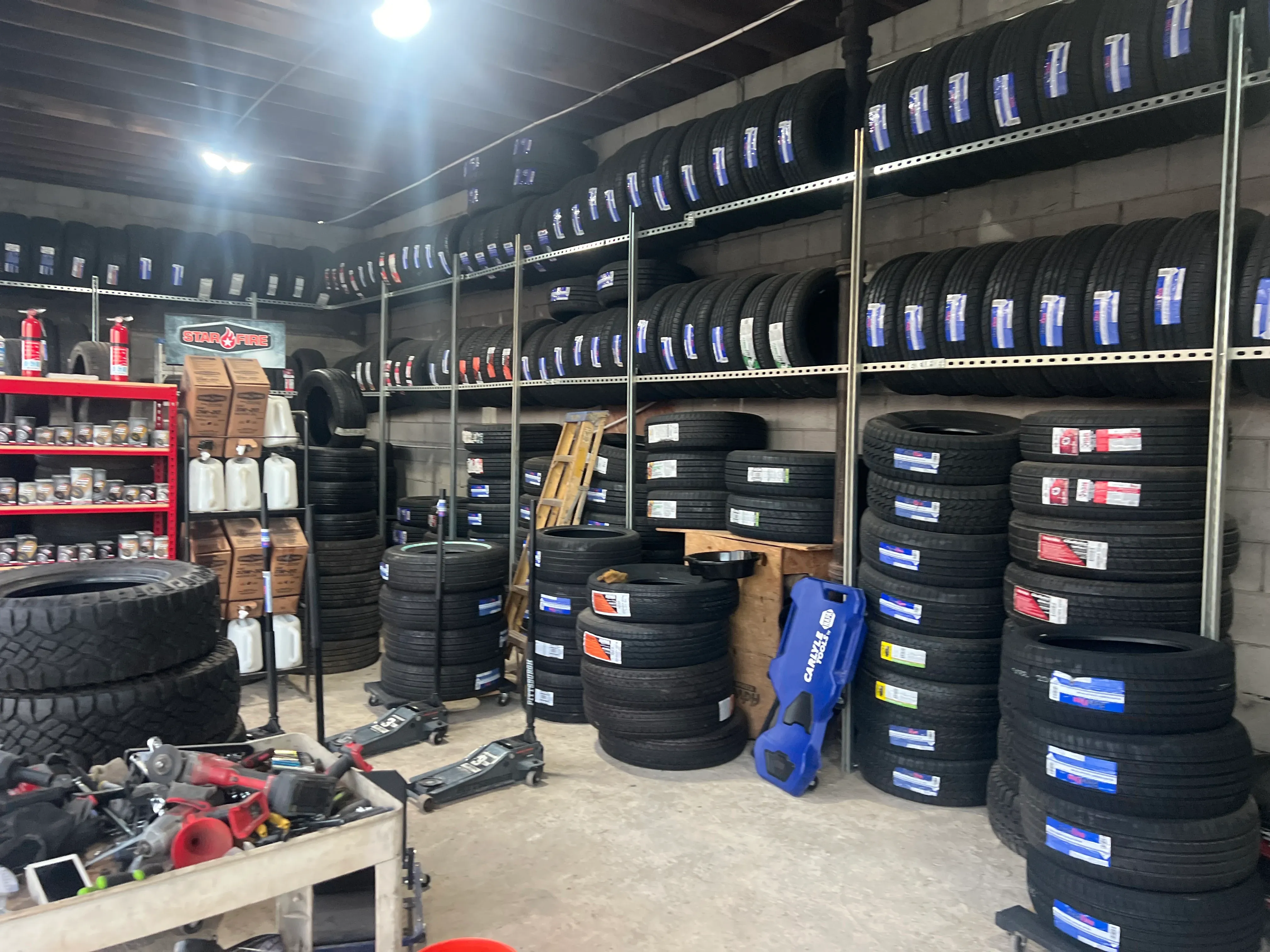
Middle Tennessee weather is rough on tire pressure. Cold snaps trigger TPMS lights. Summer heat raises pressure and can expose weak sidewalls. Potholes, construction debris, and long interstate drives add more stress.
Why the TPMS light appears in cold weather
Air contracts when temperature drops. A tire that was barely within range on a warm afternoon may trigger a warning after a cold night. Many Nashville drivers notice this first in the fall or during sudden winter swings.
Do not ignore the light. Low pressure increases heat buildup, tread wear, and blowout risk. Check pressure when tires are cold and inflate to the placard on the driver’s door jamb, not the maximum number on the tire sidewall.
Summer heat and highway blowouts
Hot pavement, underinflation, heavy loads, and high speeds are a bad combination. I-40, I-65, I-24, and Briley Parkway see plenty of summer tire failures because low pressure creates flexing and heat. A tire with old damage can fail quickly in those conditions.
If you notice vibration, a bulge, cracking, or repeated pressure loss, do not wait for a blowout. A planned mobile tire replacement is safer than a shoulder emergency.
How often to check pressure
Check monthly and before road trips. Also check after big weather changes. If one tire is repeatedly low, it may have a nail, valve-stem issue, bead leak, or wheel damage. That is when mobile flat tire repair may help.
For drivers around Brentwood, Green Hills, and Hendersonville, a slow leak often shows up as a morning warning before work. Do not keep topping it off without finding the source.
Nitrogen vs. regular air
Nitrogen can reduce pressure fluctuation slightly, but it does not make a damaged tire safe. Regular compressed air is fine for most drivers if pressure is checked consistently. The important part is correct pressure and tire condition.
What to do if pressure drops fast
Do not drive far on a tire that loses pressure quickly. Pull into a safe lot if possible and call for help. If you are on a highway, focus on safety first. A quick repair may be possible, but driving on the sidewall can ruin the tire.
Best habit
Keep a pressure gauge in the car, check monthly, and treat repeated TPMS warnings as a tire problem until proven otherwise. It is cheaper and safer to fix a slow leak before it becomes a Nashville roadside call.
Related Nashville roadside help
Related articles
Can a Flat Tire Be Repaired, or Should You Replace It?
How Nashville drivers can tell whether a flat tire may be repairable or needs replacement, including sidewall damage, plugs, patches, and run-flat tires.
GuideRoadside Emergency Kit for Tennessee Drivers
What Nashville and Middle Tennessee drivers should keep in the car for flat tires, dead batteries, storms, and highway breakdowns.